.svg)


10 tools every startup and small business must have.
Introduction
Growing a startup requires the right toolkit. Hundreds of software products promise to improve productivity, but testing each one takes time you could spend serving clients. We narrowed the list down to 10 practical tools that solve real operational, marketing, and customer management needs for growing businesses.
Why the Right Software Matters for Startups
Founders often manage marketing, operations, and client delivery at the same time. The right software automates repetitive tasks, keeps client communications organized, and frees up focus for product development and business growth.
Good tools also help you attract qualified visitors, convert leads into clients, and retain existing accounts. Using these platforms systematically turns ad-hoc tasks into reliable business systems.
Top 10 Online Growth Tools for Startups
1. HubSpot
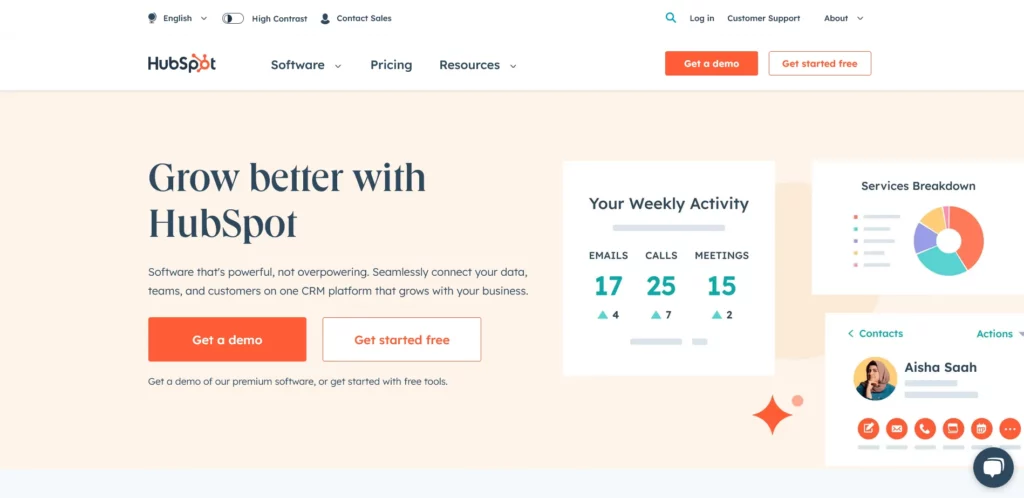
HubSpot is a marketing automation and CRM platform. It brings together lead capture, email campaigns, pipeline tracking, and customer contact management. The free CRM tier gives early-stage teams a structured way to track conversations and deals without building complex spreadsheets.
2. Google Analytics
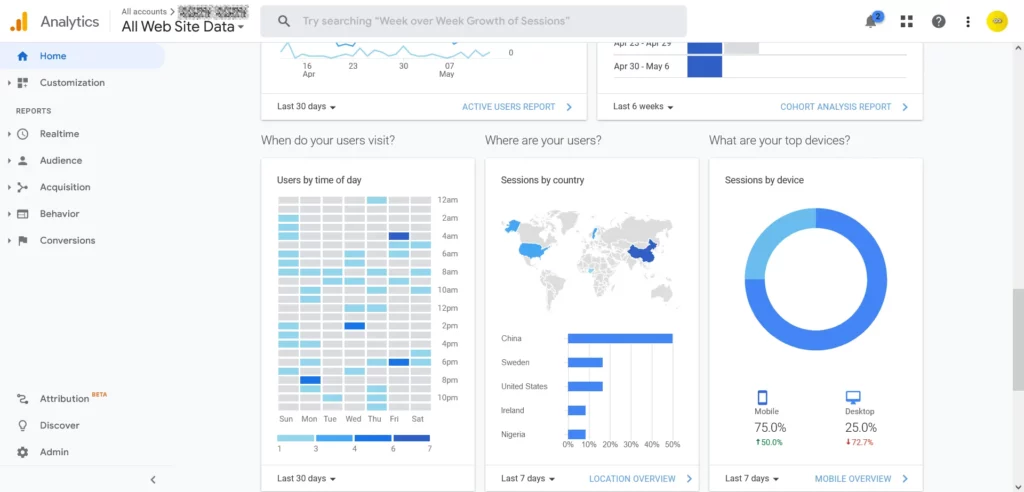
Google Analytics (GA4) tracks how visitors find and interact with your website. It shows traffic channels, popular pages, conversion rates, and drop-off points. Reviewing this data helps you understand which marketing channels bring qualified traffic and where visitors leave your site.
3. Mailchimp
Mailchimp helps businesses build email lists, send newsletters, and set up automated drip campaigns. You can segment contacts based on sign-up source or purchase history. Regular email communication keeps your audience informed about product updates, case studies, and offers.
4. Buffer

Buffer simplifies social media scheduling across LinkedIn, X, Facebook, and Instagram. Instead of posting manually throughout the week, you can queue content in batches and review post engagement metrics from a central dashboard.
5. Meta Business Suite
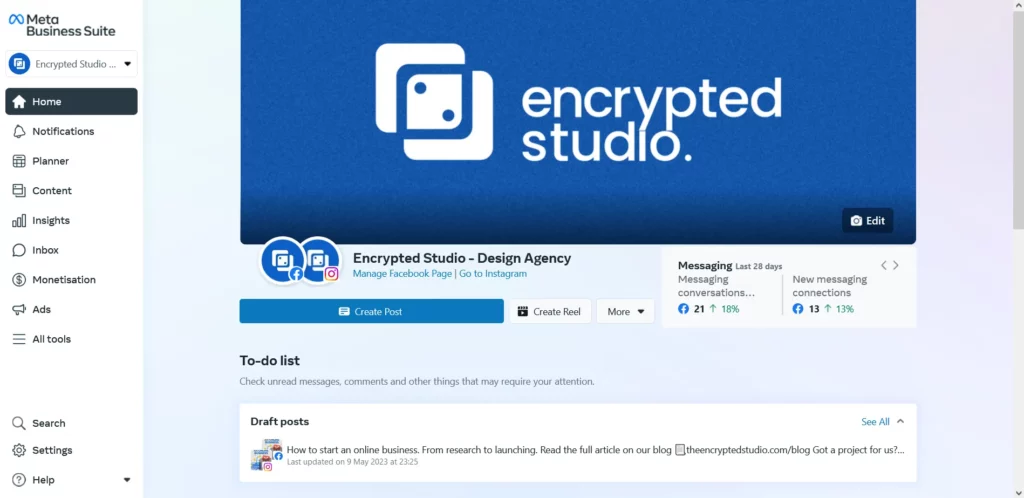
Meta Business Suite centralizes Facebook and Instagram management. It provides unified inbox messaging, post and story scheduling, and ad campaign reporting. For consumer-facing businesses, having one place to respond to direct messages and comments saves hours each week.
6. SEMrush
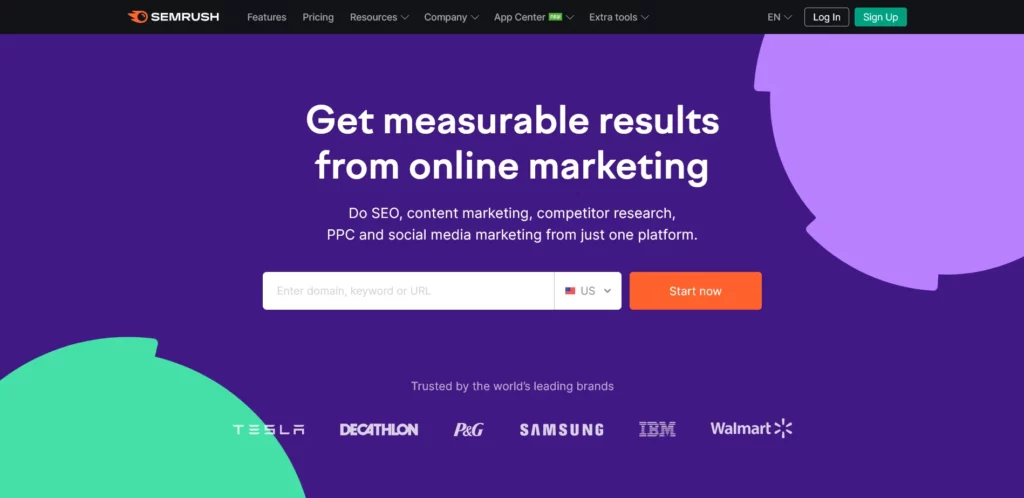
SEMrush is an SEO and competitive research tool. It reveals keyword rankings, backlink profiles, search volume, and competitor ad campaigns. Use it to identify what terms your prospective clients search for and build pages that match their search intent.
7. Canva
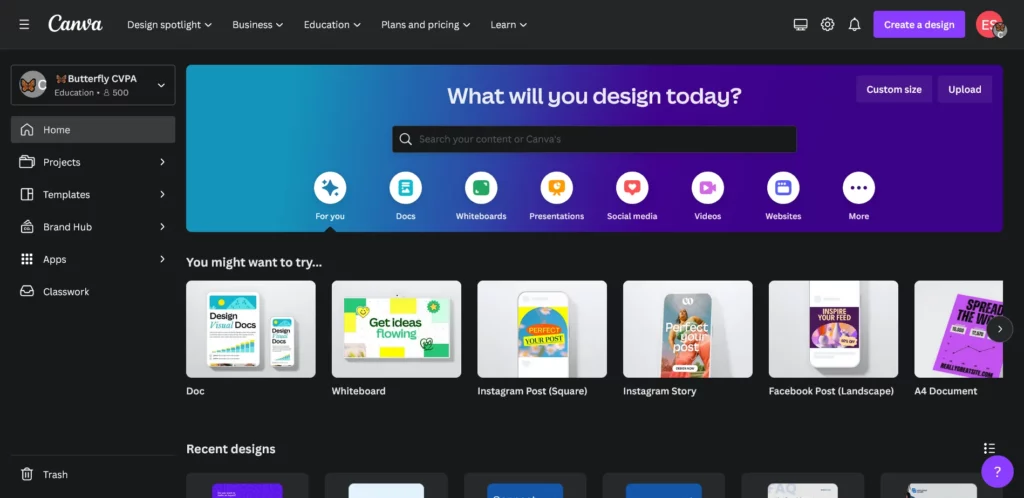
Canva gives non-designers an easy way to produce branded social graphics, slide decks, and marketing collateral. Its template library and drag-and-drop editor allow teams to produce clean visuals quickly without dedicated design software.
8. Zapier
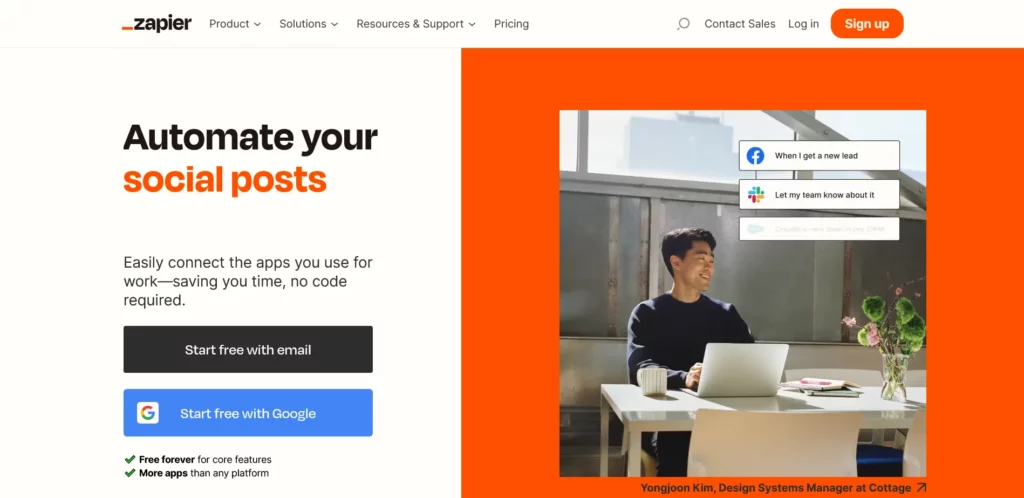
Zapier connects your web apps and automates repetitive tasks. For example, you can automatically add new form submissions to your CRM, send an alert to your team, and trigger a calendar booking link. Automating manual handoffs reduces errors and speeds up lead response times.
9. Trello
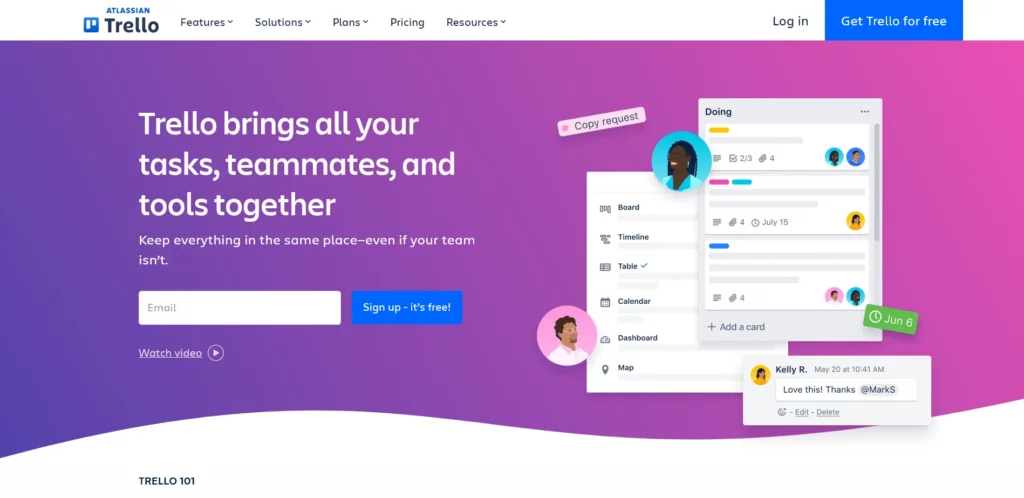
Trello provides Kanban-style boards to organize client work, internal tasks, and project sprints. Moving cards across columns (‘To Do’, ‘In Progress’, ‘Done’) gives the entire team instant visibility into project status.
10. SurveyMonkey
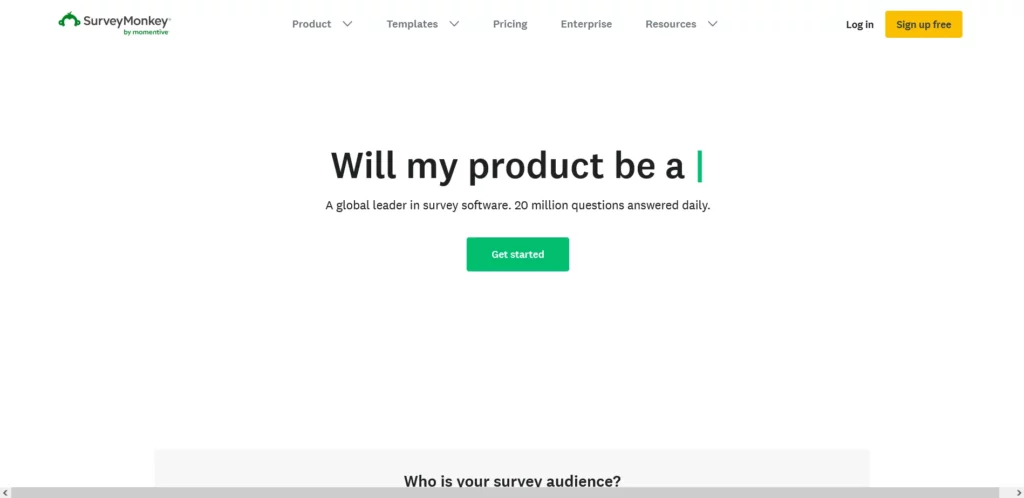
SurveyMonkey lets you gather direct feedback from customers and prospects. Asking structured questions after a purchase or onboarding call reveals where your product delivers value and where your customer experience needs improvement.
Conclusion
Adopting the right software gives small teams the operational leverage of much larger companies. Instead of trying to implement every tool at once, start with two or three that solve your immediate bottleneck: lead tracking, client scheduling, or basic analytics. As your operations mature, expand your stack systematically.